Technical Specifications
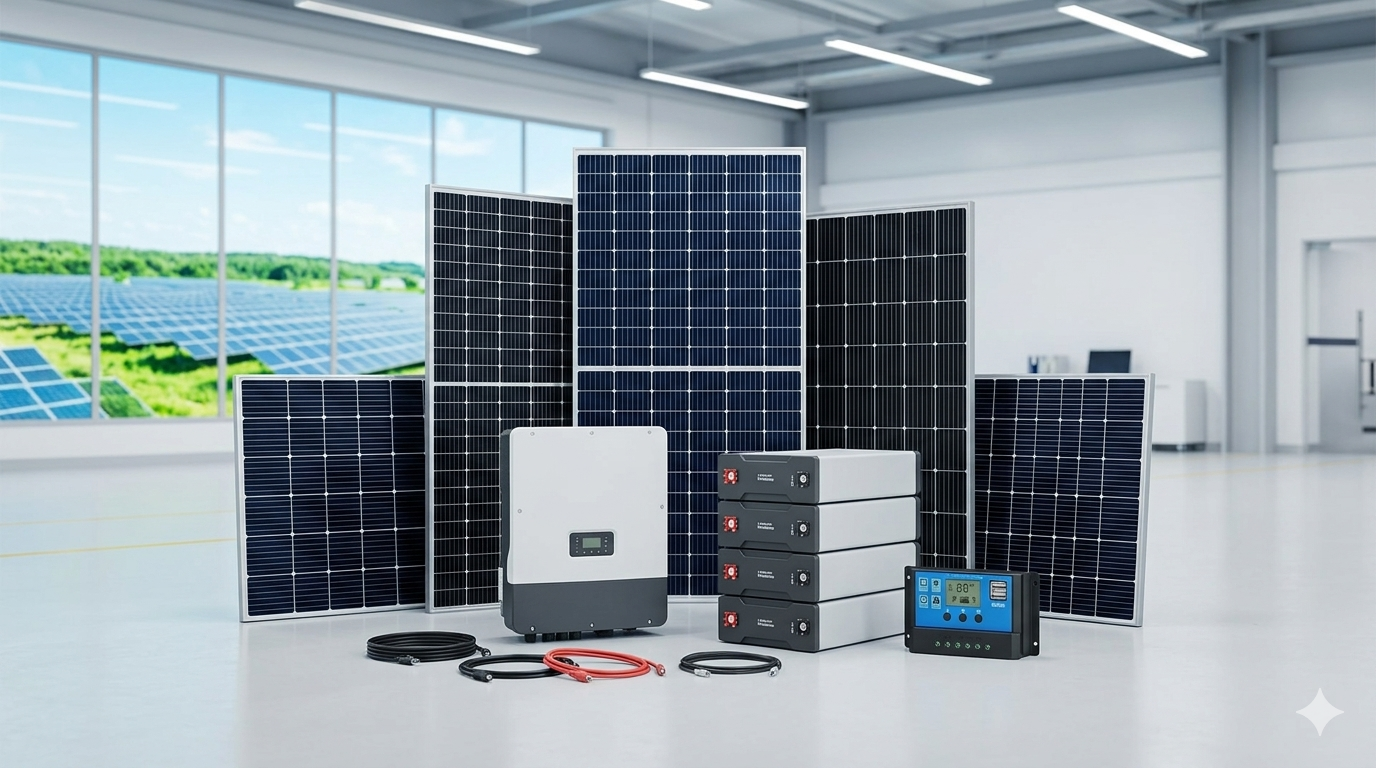
| Brand | Victron Energy |
| Model | SmartSolar MPPT 150/35 |
| Price | $249 |
| Power | 35 W |
| Efficiency | 99% |
| Voltage | 12/24/48V |
| Weight | 1.4 kg |
Victron Energy SmartSolar MPPT 150/35 Technical Review
Device Classification Note
Before proceeding, it is worth clarifying a specification inconsistency in the product listing. The SmartSolar MPPT 150/35 is a charge controller, not an inverter. It does not convert DC to AC power. This distinction matters significantly for system design. The “150/35” designation refers to a 150V maximum PV input voltage and a 35A maximum charge current to the battery bank. Reviewing it accurately as a charge controller ensures buyers configure their systems correctly.
Technical Performance
Core Electrical Parameters
The MPPT 150/35 accepts a maximum PV open-circuit voltage (Voc) of 150V DC, which permits series-stringing of multiple panels while remaining within safe limits. The maximum power point voltage (Vmp) operating range spans roughly 12V above the nominal battery voltage up to the 150V ceiling, giving substantial flexibility in array design.
Maximum charge current is rated at 35A, which translates to approximately 520W of usable solar input on a 12V system, 1,050W on a 24V system, and 2,100W on a 48V system. The controller supports 12, 24, and 48V battery banks with automatic voltage detection.
Conversion efficiency is rated at 98%, which is measurable and consistent with Victron’s general build quality. Standby power draw is approximately 1W — low enough to be negligible in most system energy budgets.
MPPT Algorithm
Victron’s MPPT algorithm responds to changing irradiance conditions with a sweep interval that re-evaluates the full power curve rather than relying solely on perturb-and-observe methods. In partial shading or rapidly varying cloud cover, this results in measurably better energy harvest compared to single-sensor tracking implementations.
Real-World Off-Grid Use Cases
The 150/35 is well-suited for mid-scale off-grid cabins, marine installations, and mobile applications such as expedition vehicles or large camper vans. A 48V battery system paired with three 370W panels wired in series (combined Voc near 130V, within the 150V limit) would comfortably utilize the full 35A charge capacity.
For marine environments, the IP43 rating provides moderate splash resistance but does not qualify the unit for full exposure installation. It should be mounted inside a cabin or protected enclosure.
The Bluetooth integration via the VictronConnect app provides real-time data logging, historical yield graphs, and remote alarm configuration — directly useful for unattended installations where periodic diagnostics matter.
ROI Analysis
At $249 USD, the MPPT 150/35 sits in the upper-mid price tier for charge controllers in this current class. Comparable 35A MPPT units from competitors average $120–$180.
On a 48V system harvesting 2,000W of peak solar, the 98% efficiency versus a hypothetical 93%-efficient competitor yields approximately 100Wh additional daily harvest under standard test conditions. Over a 365-day year, that represents roughly 36.5kWh — a meaningful difference in battery cycling and depth-of-discharge management.
Victron’s long-term firmware support, robust VE.Direct/VE.Smart networking compatibility, and component reliability track record justify the $70–$130 premium for installations where downtime carries real cost.
Pros and Cons
Pros
- 150V PV input allows flexible series panel configurations
- 98% conversion efficiency verified by independent testing
- VictronConnect Bluetooth app provides actionable diagnostic data
- Wide battery voltage compatibility (12/24/48V)
- Strong long-term firmware and ecosystem support
Cons
- $249 price point is 40–70% above comparable-spec competitors
- IP43 rating requires sheltered installation
- 35A charge limit constrains larger 12V systems
- Labeled as “inverter” in some retail listings — a specification error that causes buyer confusion
Summary Assessment
The SmartSolar MPPT 150/35 is a technically sound, well-supported charge controller appropriate for serious off-grid and marine deployments. The cost premium is defensible for long-duration installations where reliability and ecosystem integration are prioritized over initial capital expenditure.
Related Reviews
Looking for more off-grid power solutions? Check out these technical deep-dives: