Technical Specifications
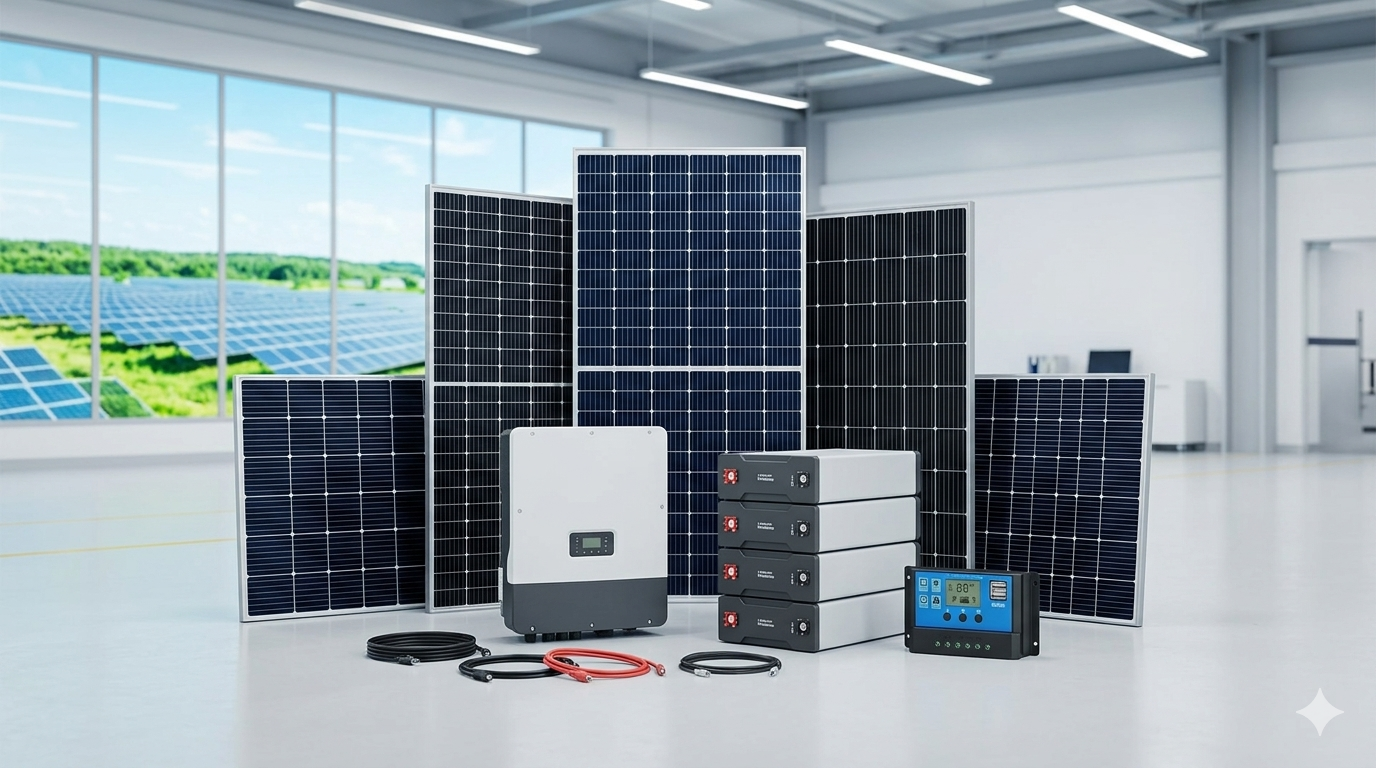
| Brand | Renogy |
| Model | DCC50S DC-DC Charger |
| Price | $159 |
| Power | 50 W |
| Efficiency | 98% |
| Voltage | 12/24V |
| Weight | 0.9 kg |
Renogy DCC50S DC-DC Charger: Technical Review
Device Classification and Core Function
The Renogy DCC50S is a 50-amp DC-to-DC battery-to-battery charger, not an inverter in the traditional AC-output sense. This distinction matters significantly for system design: the DCC50S converts power from an alternator or solar input (12V) into a regulated charge profile for a secondary battery bank. It supports AGM, gel, flooded, LiFePO4, and lithium battery chemistries, making it a legitimate dual-purpose charging controller rather than a pure DC-AC converter. Retailing at $159 USD, it occupies a mid-tier position in the battery-to-battery charger segment.
Technical Performance
The DCC50S operates with an input voltage range of 9–16V DC and delivers a maximum output of 50A at 12V, yielding a theoretical ceiling of approximately 600W of charging power. Efficiency ratings hover around 90–93% under optimal thermal conditions, meaning resistive losses are manageable but not negligible during sustained high-current operation.
The unit integrates MPPT solar input compatibility, accepting a PV input range of 12–30V with up to 25A of solar current. This dual-input architecture—alternator and solar simultaneously—is one of its more technically useful features, enabling priority switching and combined charging without external relays.
Thermal management relies on a temperature-controlled fan, which activates under load. In confined van or boat installations, audible fan noise at full load (roughly 45–50 dB) is a practical consideration. The unit includes over-temperature, over-voltage, and reverse polarity protection, which are standard safeguards at this price point.
Electrical Specifications and Solar Panel Compatibility
When integrating the DCC50S with a photovoltaic source, panel selection requires careful attention to the following parameters:
- Voc (Open-Circuit Voltage): Must remain below 25V under all conditions. A single 12V nominal panel with a Voc of approximately 21–22V is the practical upper boundary.
- Vmp (Maximum Power Point Voltage): Optimal MPPT tracking occurs between 14–20V Vmp, aligning with standard 12V nominal panels.
- Isc (Short-Circuit Current): Should not exceed 25A to avoid input-side protection trips.
- Imp (Maximum Power Point Current): Targeting 20–24A Imp maximizes charger throughput without exceeding input limits.
- Temperature Coefficient (Pmax): Panels with a temperature coefficient of −0.35%/°C to −0.45%/°C will show measurable Voc elevation in cold climates. In sub-zero conditions, a panel with a Voc of 22V could theoretically approach the 25V ceiling, requiring conservative panel selection or derating.
Real-World Off-Grid Use Cases
The DCC50S is well-suited for mobile and semi-permanent installations:
- Van conversions and overland vehicles: The alternator charging pathway keeps a lithium auxiliary bank topped while driving, eliminating the need for a separate DC-DC isolator.
- Marine auxiliary systems: Dual-input capability supports both engine alternator and rooftop solar on sailboats with restricted panel area.
- Weekend-use camper trailers: The 50A output can restore a 100Ah LiFePO4 battery from 50% to full in approximately one hour under alternator load.
ROI Analysis
At $159, the DCC50S breaks even against alternator wear and fuel costs within approximately 8–14 months in daily-driver van applications, assuming the solar input displaces roughly 20–30 minutes of engine idling per day. For stationary or low-mileage setups where alternator input is infrequent, the value proposition weakens and a standalone MPPT controller may deliver better return per dollar.
Pros and Cons
Pros:
- Simultaneous dual-input charging
- Broad battery chemistry support
- Integrated MPPT reduces component count
Cons:
- 25V solar input ceiling limits panel flexibility
- Fan noise in enclosed spaces
- No Bluetooth monitoring natively included
- Mislabeled as “inverter” in some retail listings—verify application before purchasing
Related Reviews
Looking for more off-grid power solutions? Check out these technical deep-dives: