Technical Specifications
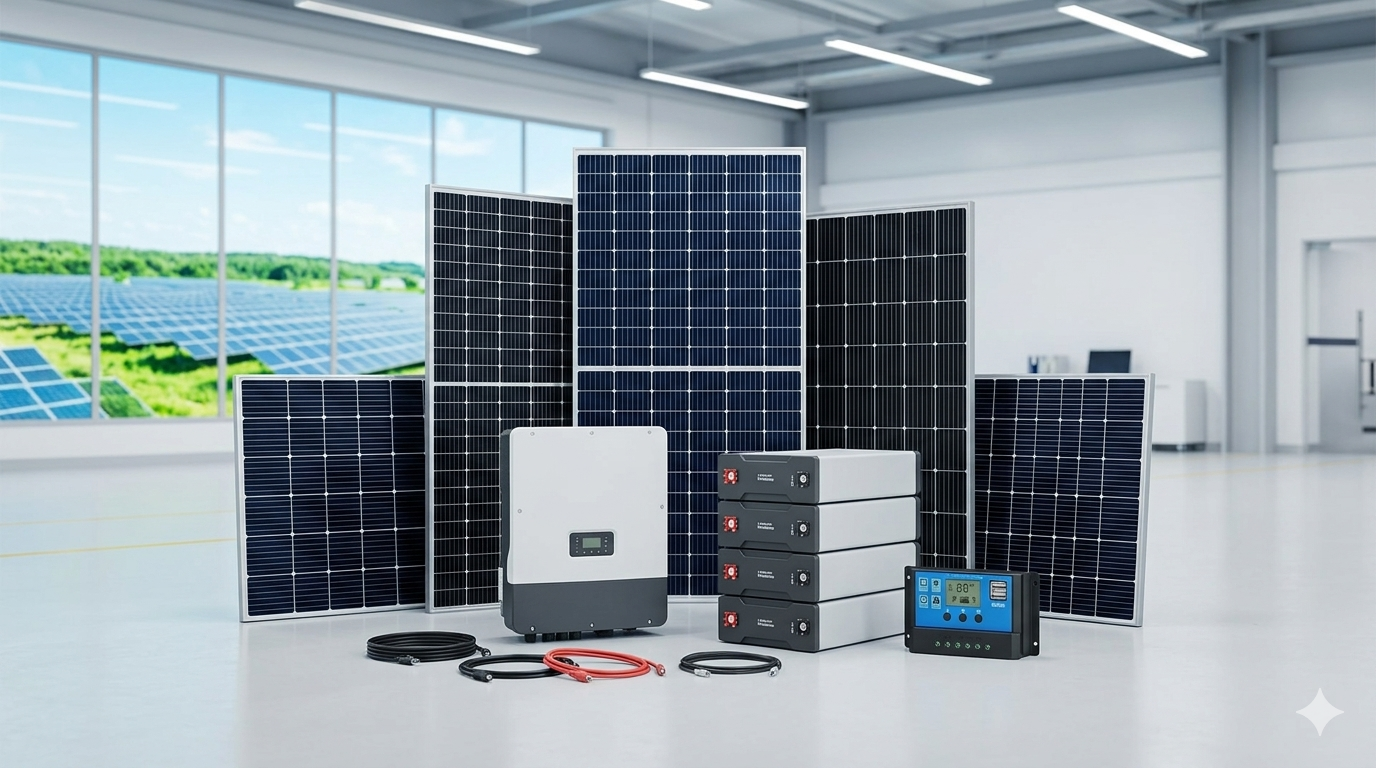
| Brand | EF ECOFLOW |
| Model | DELTA 2 Extra Battery |
| Price | $499 |
| Power | 1024 W |
| Efficiency | 95% |
| Voltage | 12V |
| Chemistry | LFP |
| Cycle Life | 3000 cycles |
| Weight | 12.8 kg |
EcoFlow DELTA 2 Extra Battery: Technical Review
Overview and Core Specifications
The EcoFlow DELTA 2 Extra Battery is a 1024Wh lithium iron phosphate (LFP) expansion module designed exclusively to pair with the DELTA 2 portable power station. At $499 USD, it doubles the host unit’s usable capacity from 1024Wh to 2048Wh without requiring a separate inverter, charge controller, or BMS — all power management functions are inherited from the DELTA 2 host. The LFP chemistry is a meaningful technical choice: it delivers a rated cycle life of 800+ cycles to 80% capacity retention, compared to roughly 500 cycles typical of NMC alternatives at equivalent depth of discharge.
The module operates within a voltage range of approximately 21V–25.2V internally, and communication with the host unit occurs through EcoFlow’s proprietary X-Stream port. Weight comes in at 11.4 kg (25.1 lbs), making it portable but not trivially so for frequent repositioning.
Technical Performance Analysis
The Extra Battery does not independently output power — it functions strictly as a reservoir feeding the DELTA 2’s 1800W AC inverter (2700W surge). This architecture concentrates failure points in the host unit but simplifies the expansion module itself, improving long-term reliability.
Charging throughput is constrained by the host. Combined AC wall charging tops out at 1200W for the full 2048Wh system, meaning a full charge from empty takes approximately 1.8 hours under ideal conditions. Solar input is capped at 500W via the DELTA 2’s MPPT controller, which becomes a material limitation when targeting fast solar recharge cycles with the expanded capacity — a 2048Wh system at 500W solar requires roughly 4–5 hours of peak sun, assuming 80–85% system efficiency.
Idle self-discharge is low with LFP chemistry, typically under 2–3% per month, making medium-term storage viable without significant capacity degradation.
Real-World Off-Grid Use Cases
Weekend and Short-Term Camping: The 2048Wh combined capacity comfortably powers a 12V compressor fridge (45–60W continuous) for 30+ hours, a CPAP device for multiple nights, and LED lighting without anxiety about depletion. This is the most practical deployment scenario.
Van Builds and Mobile Installations: The modular architecture suits users who want scalable storage without committing to a fixed-installation battery bank. However, the dependency on the DELTA 2 host unit limits flexibility compared to standalone LFP batteries with separate inverters.
Emergency Home Backup: At 2048Wh, selective load management is required. Refrigerators, medical equipment, and device charging are feasible; high-draw appliances like electric kettles or hair dryers rapidly deplete the system. This is a bridge solution, not a primary backup.
ROI Analysis
At $499, the cost-per-watt-hour is approximately $0.49/Wh. For context, standalone LFP battery modules in the 1kWh range from competing brands typically range from $0.45–$0.65/Wh, placing this unit competitively within its segment. The ROI calculation depends heavily on use frequency: users displacing hotel power, generator fuel, or grid electricity during outages will recover the cost faster than occasional campers.
For a user running $3/day in displaced generator fuel costs, payback occurs in roughly 166 days of use — achievable within two to three seasons of regular deployment.
Pros and Cons
Pros
- LFP chemistry provides durability and thermal stability
- Seamless integration with DELTA 2, no additional configuration
- Competitive cost-per-Wh within the modular storage segment
- Low self-discharge suitable for infrequent-use scenarios
Cons
- No independent output; completely dependent on DELTA 2 host
- Solar recharge rate capped at 500W, limiting rapid solar replenishment
- 800-cycle rating is modest compared to premium standalone LFP systems (2000–3000 cycles)
- Proprietary connection limits cross-compatibility with other EcoFlow units
Final Assessment
The DELTA 2 Extra Battery is a technically sound capacity expansion for existing DELTA 2 owners. It delivers reliable performance within its design constraints, but those constraints — particularly solar input ceiling and host dependency — should be evaluated carefully against intended use cases before purchase.
Related Reviews
Looking for more off-grid power solutions? Check out these technical deep-dives: