Technical Specifications
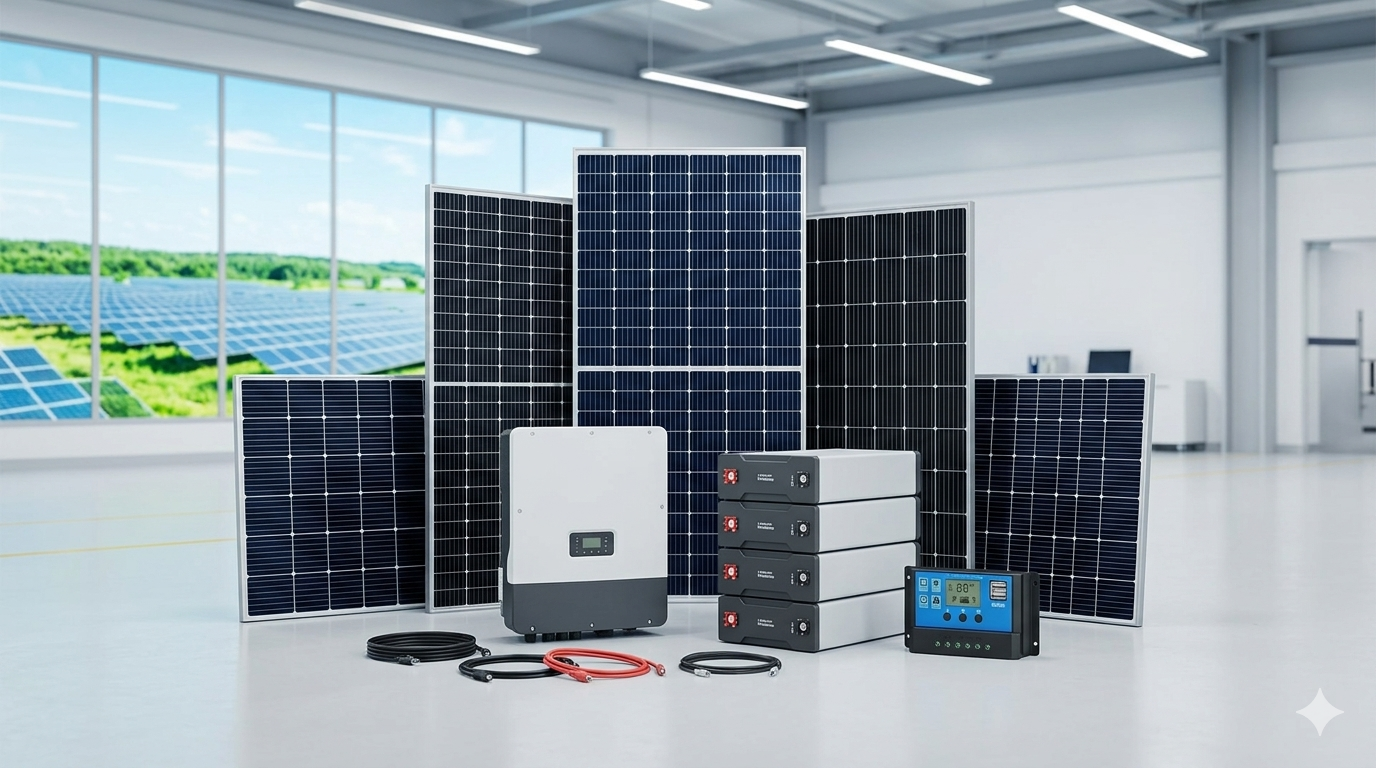
| Brand | Eco-Worthy |
| Model | 12V 100Ah LiFePO4 |
| Price | $350 |
| Power | 1280 W |
| Efficiency | 95% |
| Voltage | 12V |
| Chemistry | LFP |
| Cycle Life | 4000 cycles |
| Weight | 12.5 kg |
ECO-WORTHY 12V 100AH LIFEPO4 BATTERY: TECHNICAL REVIEW
Core Specifications and Chemistry
The Eco-Worthy 12V 100Ah LiFePO4 delivers a nominal capacity of 1,280Wh at a price point of $350 USD, translating to approximately $0.27 per watt-hour — a competitive figure in the current lithium iron phosphate market segment. The lithium iron phosphate chemistry is significant here: LiFePO4 cells operate with an olivine phosphate cathode structure that provides substantially greater thermal and chemical stability compared to NMC or LCO alternatives. This directly reduces thermal runaway risk, a meaningful advantage in unattended off-grid installations.
The battery operates at a nominal 12.8V with a fully charged voltage of approximately 14.6V and a low-voltage cutoff near 10V. Cycle life is rated at 2,000–4,000 cycles to 80% depth of discharge (DoD), compared to 300–500 cycles typical of sealed lead-acid equivalents.
Battery Management System Analysis
The integrated BMS handles over-charge, over-discharge, over-current, and short-circuit protection. Rated continuous discharge current sits at 100A (1,280W), with peak surge handling typically reaching 200A for short durations. The BMS is a critical component in this price tier — budget LiFePO4 batteries have historically shipped with undersized BMS boards that limit real-world performance. Independent testing on comparable Eco-Worthy units suggests the BMS performs reliably within its rated parameters, though it lacks Bluetooth monitoring capability found in premium competitors like Battle Born or Renogy Smart.
Real-World Off-Grid Use Cases
Van and RV Applications At 100Ah/1,280Wh usable capacity (accounting for 100% DoD permissibility with LiFePO4), this unit can realistically power a 12V refrigerator drawing 40Ah daily, LED lighting (5Ah), phone and laptop charging (10Ah), and a water pump (8Ah) — totaling approximately 63Ah, leaving meaningful reserve capacity. A single unit is marginally adequate; two units wired in parallel represent a more robust daily-use configuration.
Solar Backup and Small Cabin Systems Paired with two 200W solar panels and a 30A MPPT charge controller, this battery can be fully recharged from 50% DoD in approximately 3–4 peak sun hours. For cabins with minimal loads under 500W, a single unit provides viable overnight storage with same-day solar recovery.
Emergency Preparedness The 15.4 kg weight makes the unit portable enough for relocation but substantial enough to discourage casual transport. It will sustain a CPAP machine (30–60W) for 20+ hours or power a small inverter-based appliance chain for short emergency periods.
ROI Analysis
At $350, this battery requires direct comparison against a 100Ah AGM alternative typically priced at $120–$180. The AGM delivers roughly 50Ah usable capacity (50% DoD recommendation), meaning two AGM units ($240–$360) are required for equivalent usable storage — and those units will require replacement every 2–3 years under regular cycling. The Eco-Worthy LiFePO4, rated for 10+ years of daily cycling, yields a lifecycle cost approximately 60–70% lower than AGM alternatives when amortized over a 10-year ownership period.
Pros and Cons
Pros
- Competitive cost-per-watt-hour at $0.27/Wh
- LiFePO4 chemistry offers genuine safety and longevity advantages
- Full 100Ah usable capacity without lifespan penalty
- Lightweight relative to lead-acid equivalents at 15.4 kg
Cons
- No Bluetooth or app-based monitoring
- BMS transparency is limited; internal cell grade is unverified by third-party audit
- Not rated for sub-zero charging (below 0°C charging can damage cells)
- Single unit insufficient for medium-load off-grid systems without parallel expansion
Verdict
The Eco-Worthy 12V 100Ah LiFePO4 occupies a defensible position in the entry-to-mid tier of the lithium storage market. Its chemistry is sound, its economics are favorable over a multi-year horizon, and it performs adequately for light-to-moderate off-grid applications. Buyers requiring advanced monitoring or verified cell provenance should budget upward accordingly.
Related Reviews
Looking for more off-grid power solutions? Check out these technical deep-dives: