Technical Specifications
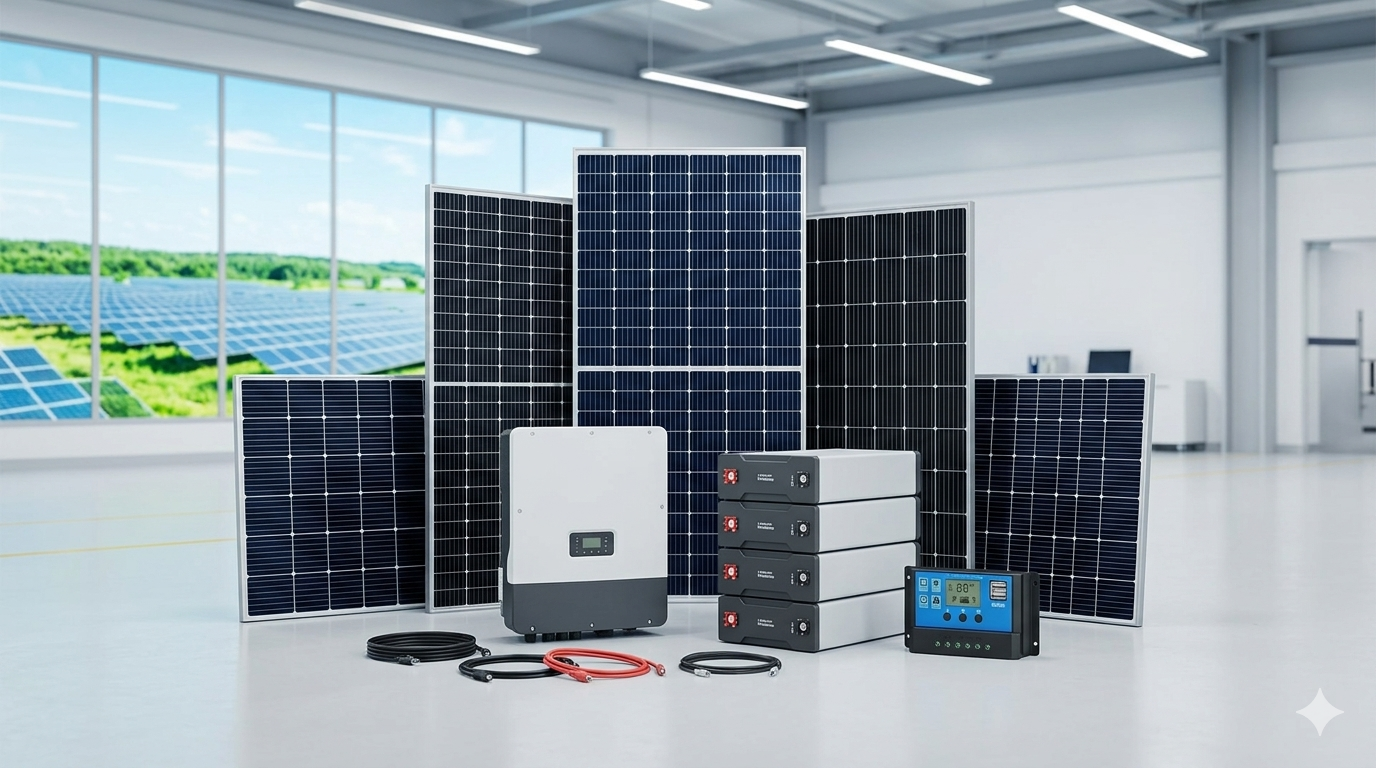
| Brand | Litime |
| Model | 12V 100Ah LiFePO4 |
| Price | $199 |
| Power | 1280 W |
| Efficiency | 95% |
| Voltage | 12V |
| Chemistry | LFP |
| Cycle Life | 4000 cycles |
| Weight | 12.5 kg |
Litime 12V 100Ah LiFePO4 Battery: Technical Review
Core Specifications and Chemistry
The Litime 12V 100Ah LiFePO4 delivers a nominal capacity of 1,280Wh at a rated voltage of 12.8V, utilizing lithium iron phosphate chemistry — a cathode material that prioritizes thermal stability and cycle longevity over raw energy density. At $199 USD, this positions the unit at approximately $0.156 per watt-hour, which sits at the competitive lower boundary of the LiFePO4 market segment.
The integrated Battery Management System (BMS) handles overcharge, over-discharge, short-circuit, and thermal protection functions. The battery operates within a discharge range of 10V to 14.6V and supports a continuous discharge rate of 100A, with a recommended charge current of 20A for standard applications.
Technical Performance Analysis
LiFePO4 chemistry provides a comparatively flat discharge curve, maintaining voltage between 12.8V and 13.2V across roughly 80–90% of the usable capacity window. This consistency reduces inverter strain and improves appliance compatibility compared to lead-acid alternatives, which exhibit steeper voltage sag under load.
Cycle life is rated at 4,000 cycles to 80% depth of discharge (DoD) — a figure substantiated by the inherent structural stability of the iron-phosphate bond. By contrast, AGM batteries typically yield 400–600 cycles under comparable conditions. Self-discharge rate is approximately 3% per month, roughly one-third that of lead-acid chemistry, making the Litime viable for seasonal or intermittent deployments.
Operating temperature range spans -20°C to 60°C for discharge, though charging below 0°C is explicitly prohibited and the BMS will cut charging current under freezing conditions. Users in cold climates must account for this limitation during system design.
Real-World Off-Grid Use Cases
For van conversions and overlanding rigs, a single 100Ah unit supports moderate 12V loads — LED lighting, a 12V refrigerator drawing 4–5A average, phone and laptop charging, and a small fan — for approximately 8–12 hours before hitting the 20% state-of-charge threshold. Two units wired in parallel extend this to a 200Ah bank, a practical baseline for full-time van dwelling.
In residential backup configurations, 1,280Wh powers critical loads such as a router, a few LED circuits, and a small refrigerator through a 6–8 hour overnight window, assuming a 200–250W average draw. This is supplemental backup, not whole-home coverage.
For marine and RV applications, the sealed, vibration-resistant construction and relatively compact form factor (approximately 26 lbs) offer a meaningful weight reduction versus Group 31 AGM batteries at equivalent capacity.
ROI Analysis
Against a comparable 100Ah AGM battery priced at $120–$150, the Litime carries a $50–$80 premium. However, usable capacity tells a different story: AGM is realistically limited to 50% DoD for longevity, yielding 50Ah effective capacity, while LiFePO4 safely delivers 80–100Ah. Effective cost per usable watt-hour drops to approximately $0.156 for the Litime versus $0.23–$0.30 for AGM.
Accounting for cycle life, the Litime amortizes to roughly $0.05 per cycle at 4,000 cycles versus $0.25–$0.37 per cycle for AGM — a 5–7x improvement in long-run economics under regular use.
Pros and Cons
Pros
- Competitive cost per usable watt-hour for the LiFePO4 category
- 4,000-cycle rated service life with integrated BMS protection
- Flat discharge curve improves load compatibility
- Lightweight relative to lead-acid equivalents
Cons
- BMS blocks charging below 0°C — requires supplemental heating in cold climates
- No built-in Bluetooth monitoring; state-of-charge requires external shunt meter
- 20A charge current limit extends recharge time in high-solar-input scenarios
- Warranty and customer support infrastructure less established than Tier-1 brands
Related Reviews
Looking for more off-grid power solutions? Check out these technical deep-dives: