Technical Specifications
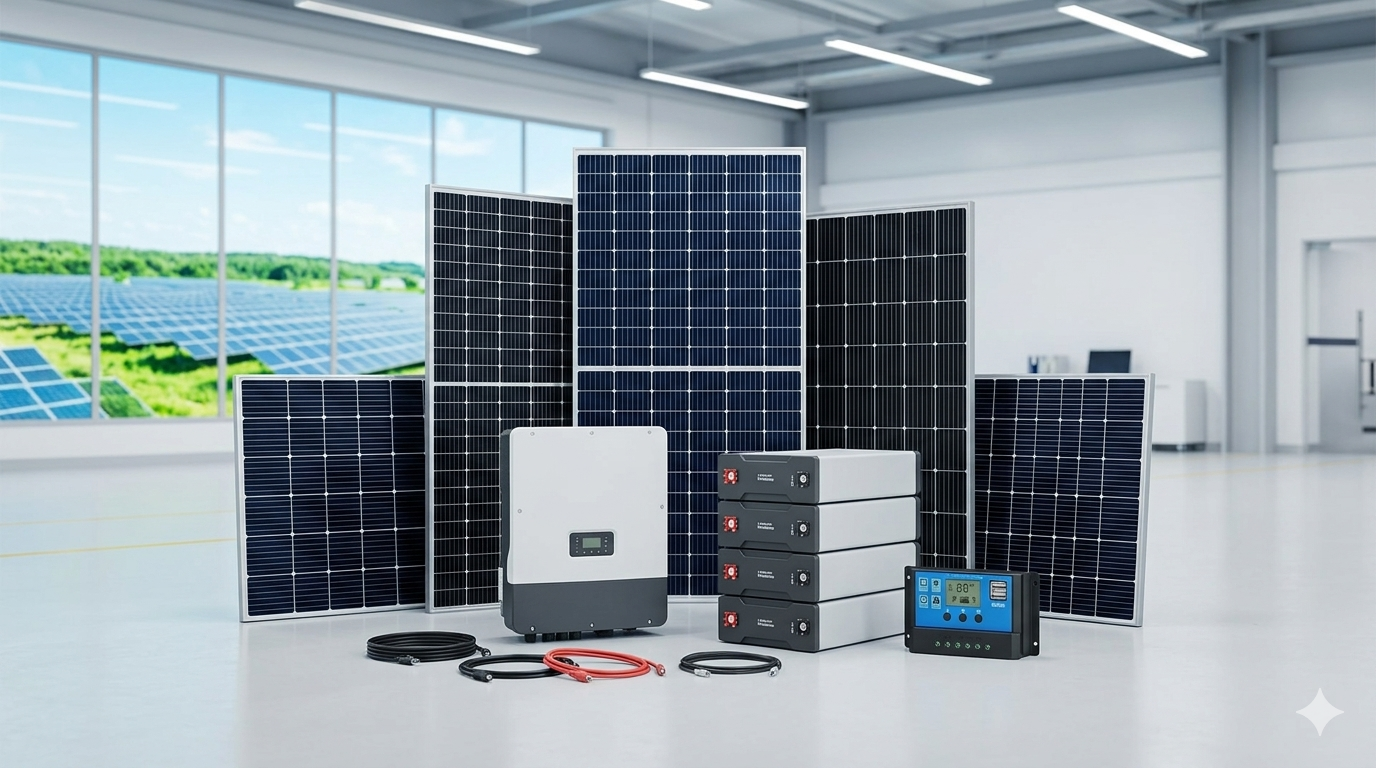
| Brand | Victron Energy |
| Model | SmartSolar MPPT 150/45 |
| Price | $289 |
| Power | 45 W |
| Efficiency | 99% |
| Voltage | 12/24/48V |
| Weight | 1.4 kg |
Victron Energy SmartSolar MPPT 150/45: Technical Review
Device Classification and Core Architecture
The Victron Energy SmartSolar MPPT 150/45 is a maximum power point tracking charge controller, not an inverter — a distinction critical to system design. The “150” denotes the maximum PV open-circuit voltage (Voc) input of 150V DC, while “45” represents the maximum charge current output of 45A. This unit is designed to sit between a solar array and a battery bank, optimizing energy harvest through continuous MPPT algorithm execution. It does not convert DC to AC; that function requires a separate inverter component.
At a listed price of $289 USD, this controller targets the mid-to-serious prosumer segment — installations ranging from capable van builds to small cabin systems and marine applications.
Technical Performance Analysis
MPPT Efficiency and Voltage Handling
Victron rates the SmartSolar 150/45 at over 99% MPPT efficiency under stable irradiance conditions, with a peak conversion efficiency of 98%. The 150V maximum input voltage provides meaningful headroom for series-configured panel strings, particularly important in cold climates where Voc rises with decreasing temperature.
The controller operates across a PV input voltage range of battery voltage +5V up to 150V, and supports 12V, 24V, and 48V battery systems with automatic recognition. At 48V battery voltage, the 45A output ceiling translates to approximately 2,160W of usable charge power — a practical upper boundary for this unit.
Communication and Monitoring
The integrated Bluetooth module (hence “Smart”) enables real-time monitoring via the VictronConnect application without additional hardware. Users can observe instantaneous PV voltage, charge current, battery state of charge, and historical yield data. Optional VE.Direct to USB adapters extend this to PC-based monitoring and integration into Victron’s broader Venus OS ecosystem for remote telemetry.
Real-World Off-Grid Use Cases
Van Conversions and Mobile Applications
For 48V systems in larger van or overland builds, a 400–800W array wired in series delivers operating voltage comfortably within the 150V ceiling while producing charge currents the 45A output can handle. The controller’s sealed enclosure (IP43) provides adequate protection for interior mounting.
Cabin and Remote Cabin Systems
A 24V off-grid cabin running a 600W array experiences meaningful seasonal Voc fluctuation. In winter at -20°C, Voc on standard 60-cell panels can rise 15–20% above STC values, making the 150V ceiling a necessary buffer rather than an overspecified luxury.
Marine Applications
Victron’s reputation in marine installations is substantial. The unit’s compact form factor and Bluetooth monitoring suit installations where physical access to the controller is limited.
ROI Analysis
At $289 with a supported array capacity of roughly 650W (at 12V system) to 2,160W (at 48V), the cost-per-watt of controller capacity ranges from approximately $0.13 to $0.44 depending on system voltage. Compared to competing MPPT controllers in this current class, Victron’s pricing sits at a 20–35% premium — justified primarily by firmware reliability, ecosystem integration, and warranty support rather than raw specification differentiation.
Payback analysis depends entirely on the battery and panel investment it protects. The MPPT efficiency advantage over PWM controllers typically recovers 10–30% more energy, accelerating system-level ROI on the broader installation.
Pros and Cons
Pros
- 99%+ MPPT tracking efficiency
- Robust 150V Voc ceiling accommodates series strings and cold-climate Voc rise
- Mature VictronConnect and Venus OS ecosystem
- Reliable firmware with consistent update history
Cons
- Mislabeled as “inverter” in product listings — creates specification confusion
- IP43 rating limits exposure to wet environments without additional protection
- Premium pricing versus functionally comparable alternatives
- 45A output ceiling may constrain larger 12V system builds
Related Reviews
Looking for more off-grid power solutions? Check out these technical deep-dives: