Technical Specifications
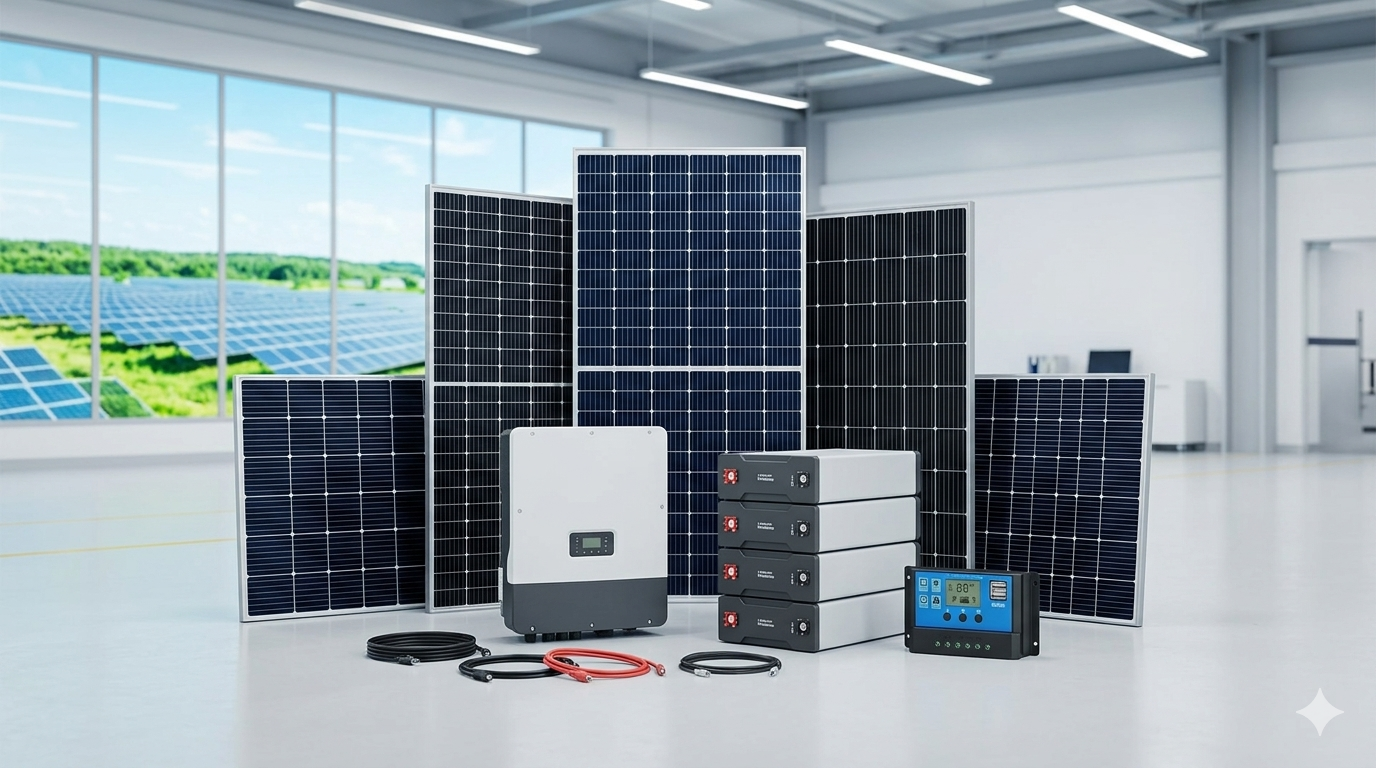
| Brand | Rich Solar |
| Model | 60A MPPT Charge Controller |
| Price | $139 |
| Power | 60 W |
| Efficiency | 98% |
| Voltage | 12/24/48V |
| Weight | 0.7 kg |
Rich Solar 60A MPPT Charge Controller — Technical Review
Overview and Core Specifications
The Rich Solar 60A MPPT Charge Controller is positioned as a mid-tier charge regulation solution for off-grid battery systems. Priced at $139 USD, it targets DIY installers, van builds, and small cabin systems requiring reliable battery management without the overhead cost of premium brands. The unit supports 12V/24V/36V/48V battery banks with automatic voltage detection, and its MPPT (Maximum Power Point Tracking) algorithm claims conversion efficiency up to 99% — a figure that warrants field scrutiny rather than face value acceptance.
Technical Performance Analysis
MPPT Algorithm and Conversion Efficiency
MPPT controllers outperform PWM units by continuously calculating the optimal operating point on the panel’s I-V curve. The Rich Solar 60A tracks this point dynamically, which becomes particularly important during partial shading or variable irradiance conditions. Stated efficiency of 97–99% is plausible under stable conditions, though thermal derating at sustained high loads can reduce real-world efficiency by 3–5% in warm environments.
The unit accepts a maximum solar input voltage of 150V open-circuit, which provides meaningful design flexibility when stringing panels in series.
Electrical Specifications and Panel Compatibility
Understanding the controller’s compatibility requires working directly with panel electrical parameters:
-
Voc (Open-Circuit Voltage): The maximum voltage a panel produces with no load. The 150V maximum input means your array’s combined Voc — particularly at cold temperatures — must not exceed this threshold. Temperature coefficients for Voc are typically negative (around −0.29%/°C to −0.35%/°C for crystalline silicon), meaning Voc rises in cold weather. This calculation is non-negotiable for safe system design.
-
Vmp (Maximum Power Point Voltage): The voltage at which a panel operates at peak power. The controller should be sized so the array Vmp falls within the controller’s operational input range to maximize harvest efficiency.
-
Isc (Short-Circuit Current): The maximum current a panel can produce. While the MPPT topology isolates the charge current from the input current, Isc informs fusing requirements on the array side.
-
Imp (Maximum Power Point Current): The current at Vmp under standard test conditions (STC: 1000 W/m², 25°C, AM1.5). Real-world Imp deviates based on actual irradiance and the panel’s temperature coefficient of power (typically −0.35%/°C to −0.45%/°C for power), meaning output drops measurably on hot rooftops or ground mounts in summer.
Failing to account for temperature coefficient adjustments when selecting this controller is the most common installer error and can result in overvoltage faults or hardware damage.
Real-World Off-Grid Use Cases
At 60A output and 48V compatibility, this controller can theoretically manage up to 2,880W of charging power in a 48V system — a respectable ceiling for a mid-size cabin, overlanding trailer, or boat. For a 12V van build, the practical ceiling drops to 720W, which is sufficient for refrigeration, lighting, and USB charging but constrains high-draw appliances.
Battery compatibility covers lead-acid (flooded, AGM, gel) and lithium (LiFePO4 via user-set parameters), though the pre-programmed lithium profiles should be verified against your specific BMS requirements before deployment.
ROI Analysis
At $139, the breakeven calculation depends heavily on system scale. Compared to a PWM controller of equivalent current rating (~$40–60), the MPPT premium of $80–100 is recovered through efficiency gains — typically 20–30% more energy harvest — within one to two seasons in moderate irradiance climates (4–5 peak sun hours daily).
Pros and Cons
Pros:
- Competitive price point for 60A MPPT class
- 150V Voc input headroom supports series panel strings
- Multi-chemistry battery support
- LCD display with real-time monitoring
Cons:
- Build quality is functional but not industrial-grade
- Lithium profiles require manual verification
- Limited third-party long-term reliability data
- No Bluetooth or app connectivity at this price tier
Related Reviews
Looking for more off-grid power solutions? Check out these technical deep-dives: