Technical Specifications
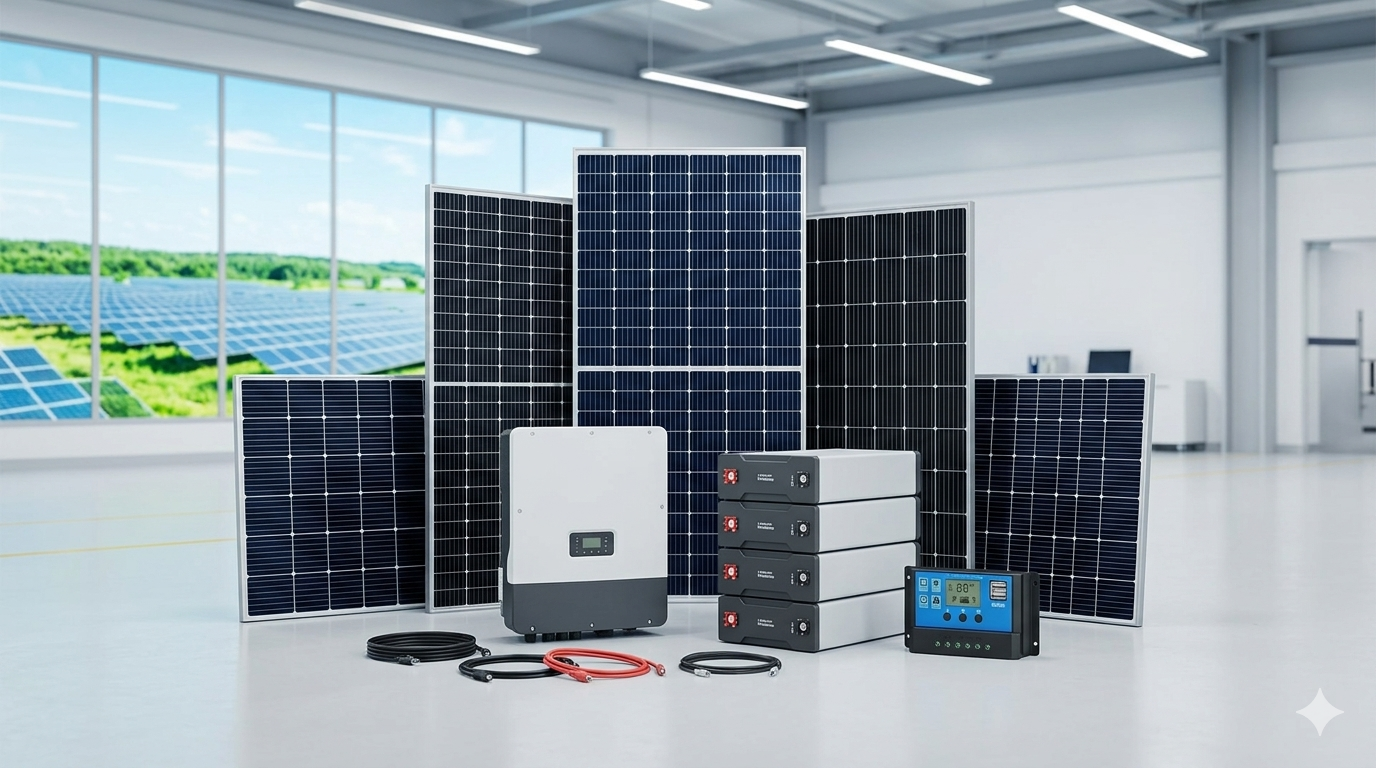
| Brand | Growatt |
| Model | SPF 3000TL |
| Price | $650 |
| Power | 3000 W |
| Efficiency | 93% |
| Voltage | 12/24V |
| Weight | 8.5 kg |
Growatt SPF 3000TL LVM: Technical Review
Core Architecture and Performance Specifications
The Growatt SPF 3000TL LVM is a 3000W pure sine wave inverter-charger designed specifically for off-grid and hybrid applications. Operating across a wide DC input range of 24V or 48V nominal battery configurations, the unit integrates a built-in MPPT solar charge controller rated at 50A, accepting PV input voltages up to 145V open-circuit. The inverter delivers a rated output of 3000W continuous at 120V/240V AC with a peak surge capacity reaching 9000W, accommodating motor-start loads and compressor-based appliances without crowbarring.
The MPPT efficiency is rated at 99%, with overall DC-to-AC conversion efficiency sitting at approximately 93% under full load conditions. Idle consumption is measured at roughly 60W, which is a non-trivial consideration when sizing battery banks for overnight autonomy. The unit accepts a maximum PV array input of 3000W, making it well-matched to 6–8 standard 370–400W panels wired in series-parallel configurations appropriate to the voltage window.
Real-World Off-Grid Use Cases
The SPF 3000TL performs most effectively in small-to-medium off-grid residential installations, rural cabins, backup power systems, and light commercial setups where grid access is unreliable or cost-prohibitive.
Residential Off-Grid: A 3000W continuous rating comfortably powers a refrigerator, lighting circuit, small air conditioning unit, and miscellaneous electronics simultaneously. Paired with a 48V, 200Ah LiFePO4 battery bank (roughly 9.6kWh usable), the system can sustain a 1.5–2kWh nightly load draw through a typical 12-hour dark period.
Agricultural and Remote Utility: The unit’s transfer switch capability—switching between grid, generator, and battery in under 20ms—makes it applicable for pump control, irrigation timing systems, and workshop tools where brief interruptions are acceptable but complete outages are not.
Van and Mobile Off-Grid: At this power tier, the SPF 3000TL exceeds most mobile applications but has been deployed in larger expedition vehicles and food truck operations where generator dependency is being eliminated.
ROI Analysis
At a retail price of $650 USD, the SPF 3000TL sits at the competitive mid-range of its class. A complete system build—including 2000W of PV panels ($400), a 48V/100Ah LiFePO4 battery ($900), wiring, and balance-of-system components—yields a total system cost approaching $2,200–$2,500.
For a household offsetting $120/month in electricity costs, the simple payback period falls between 18 and 22 months, assuming 4.5 peak sun hours daily and consistent load management. This does not account for generator fuel savings, which can accelerate payback significantly in remote deployments where diesel costs run $0.40–0.60/kWh equivalent.
The 5-year warranty on the unit reduces replacement risk and supports a conservative 8–10 year operational lifespan projection.
Pros and Cons
Pros
- Competitive price-to-power ratio at $0.217/W
- Integrated MPPT controller eliminates a separate charge controller purchase
- Wide PV input voltage tolerance (VDC up to 145V) offers array wiring flexibility
- Pure sine wave output compatible with sensitive electronics and variable-speed motors
- Multiple operating modes: grid-tie priority, solar priority, and SBU (solar-battery-utility)
Cons
- 60W idle draw is relatively high for small battery banks
- LCD interface is functional but lacks granular real-time data without optional monitoring accessories
- Limited to single-phase output; three-phase applications require separate units
- Fan-cooled design introduces a long-term mechanical failure point in dusty environments
- Communication via RS-232 rather than native Wi-Fi; external dongle required for remote monitoring
Verdict
The Growatt SPF 3000TL delivers reliable, well-engineered performance for its price point. It is best suited to buyers who prioritize low upfront cost and integrated functionality over premium monitoring interfaces or silent passive cooling.
Related Reviews
Looking for more off-grid power solutions? Check out these technical deep-dives: