Technical Specifications
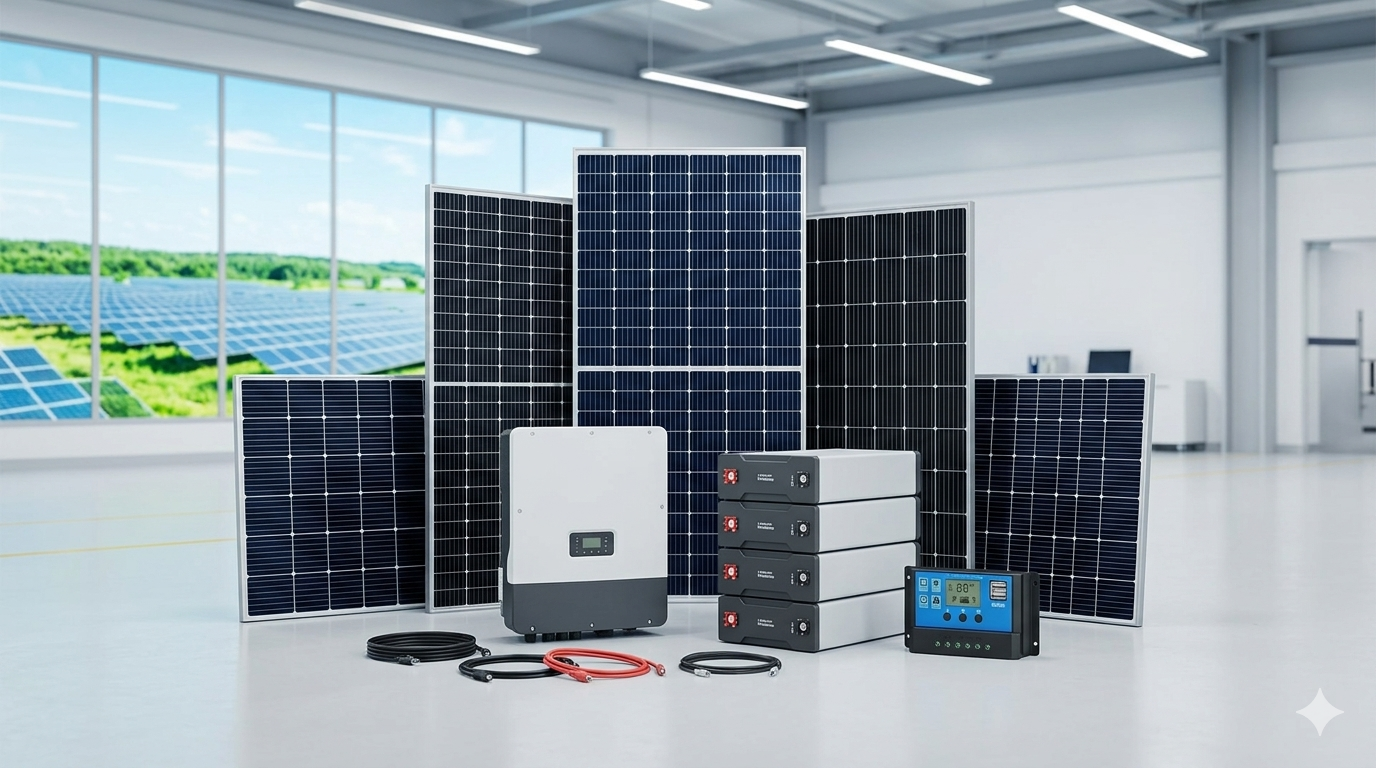
| Brand | Ampere Time |
| Model | 100Ah 12V LiFePO4 |
| Price | $199 |
| Power | 1280 W |
| Efficiency | 95% |
| Voltage | 12V |
| Chemistry | LFP |
| Cycle Life | 4000 cycles |
| Weight | 12.7 kg |
Ampere Time 100Ah 12V LiFePO4 Battery: Technical Review
Core Electrical Specifications
The Ampere Time 100Ah 12V LiFePO4 delivers a nominal capacity of 1,280Wh at a 12.8V nominal voltage, with a usable capacity window spanning roughly 10V (low cutoff) to 14.6V (full charge). The battery operates on lithium iron phosphate chemistry, which offers a flatter discharge curve compared to lead-acid alternatives—maintaining voltages closer to 12.8V through most of the discharge cycle before dropping sharply near depletion.
Continuous discharge current is rated at 100A, with peak surge capacity typically reaching 280A for short durations, making it compatible with moderate inverter loads and high-draw appliances. The integrated Battery Management System (BMS) handles over-current, over-voltage, under-voltage, short-circuit, and temperature protection automatically. Charging acceptance is rated at up to 50A, allowing reasonably fast recharge from solar charge controllers or AC converters.
Self-discharge rate sits below 3% per month, a significant advantage for seasonal or intermittent deployments where batteries sit idle for extended periods.
Real-World Off-Grid Performance
Cycle Life and Longevity
LiFePO4 chemistry provides approximately 2,000–3,000 cycles at 80% depth of discharge (DoD), compared to 300–500 cycles for comparable AGM units. At daily cycling, this translates to roughly 5–8 years of operational life under typical use conditions, a figure that directly shapes ROI calculations.
Off-Grid Use Cases
For van conversions and mobile setups, the 100Ah capacity supports a practical 24-hour load budget of roughly 900–1,000Wh at recommended 80% DoD. This comfortably powers a 12V refrigerator (40–60Wh/day), LED lighting, phone charging, and a CPAP machine simultaneously. For weekend camping rigs or overlanding applications, a single unit often suffices. Larger residential backup systems or full-time liveaboard setups should consider 2–4 units wired in parallel.
In grid-tied backup configurations, the 1,280Wh capacity provides limited whole-home backup but delivers meaningful coverage for critical circuits—refrigeration, medical equipment, and lighting—over 6–12 hour outages.
ROI Analysis
At $199, the per-watt-hour cost is approximately $0.155/Wh, which represents strong value in the sub-200Ah lithium segment. Comparable AGM batteries at similar capacity typically run $100–$140 but deliver roughly one-fifth the usable cycle life.
Assuming 2,500 usable cycles at 1,000Wh per cycle, total lifetime energy throughput reaches approximately 2,500kWh. At $199 purchase price, the effective cost per kWh stored is roughly $0.08, excluding any charging infrastructure costs. Against residential electricity rates of $0.12–$0.18/kWh, the economics close favorably within 2–3 years in active daily cycling scenarios.
Pros and Cons
Pros
- Competitive $/Wh pricing for LiFePO4 chemistry at this capacity tier
- Integrated BMS simplifies system design and reduces external protection requirements
- Low self-discharge supports infrequent-use applications
- Flat discharge curve improves inverter and appliance compatibility
- Parallel expansion capability for scalable energy storage
Cons
- 50A maximum charge current limits fast-recharge potential; larger solar arrays will require charge controller current limiting
- Cold temperature performance degrades measurably below 0°C; charging below freezing is not recommended without a self-heating model
- No built-in state-of-charge display; accurate monitoring requires an external battery monitor (Victron BMV series recommended)
- 26–28 lb weight is manageable but relevant for weight-sensitive mobile installations
Bottom Line
The Ampere Time 100Ah 12V LiFePO4 occupies a practical position in the entry-to-mid-range lithium storage segment. Its combination of cycle longevity, flat discharge characteristics, and per-Wh pricing makes it a technically defensible choice for van life, overlanding, and light backup applications. Buyers requiring cold-climate operation or high-rate charging should evaluate self-heating variants or supplement with external thermal management.
Related Reviews
Looking for more off-grid power solutions? Check out these technical deep-dives: