Technical Specifications
| Brand | Oukitel |
| Model | BP2000 |
| Price | $999 |
| AC Output | 2000 W |
| Capacity | 2048 Wh |
| Battery Chemistry | LFP |
| Cycle Life | 3500 cycles |
| AC Charge Time | 2.0 h |
| Weight | 22.0 kg |
Oukitel BP2000 Portable Power Station: Technical Review
Electrical Architecture and Core Specifications
The Oukitel BP2000 operates on a 2000W continuous AC output rating, delivered through a pure sine wave inverter. The internal battery capacity sits at 2048Wh, utilizing lithium iron phosphate (LiFePO4) chemistry — a deliberate engineering choice that prioritizes cycle longevity over raw energy density. LiFePO4 cells typically sustain 3,000 to 3,500 charge cycles before degrading to 80% capacity, which meaningfully affects the long-term cost-per-kWh calculation.
The unit supports a 2400W surge capacity, accommodating inductive loads such as refrigerator compressors and power tool motors that draw 1.5x to 2x their rated wattage at startup. Peak input charging reaches approximately 1200W via AC, with a combined solar input ceiling of 1200W across multiple MPPT charge controller ports.
The BP2000 supports an expandable battery architecture, allowing external battery packs to increase total capacity — a structural advantage for users planning extended off-grid deployments rather than single-day backup scenarios.
Real-World Off-Grid Use Cases
Residential Emergency Backup
At 2048Wh, the BP2000 can sustain a standard residential refrigerator (150W average) for approximately 10 to 11 hours, power LED lighting circuits for well over 24 hours, and run a CPAP machine through multiple overnight sessions. It is not suitable for central HVAC, electric ranges, or water heaters without significant load management.
Remote Work and Field Operations
For mobile professionals, contractors, or field researchers, the 2000W output handles concurrent loads: a laptop (65W), monitor (30W), portable workstation (400W), and LED lighting simultaneously without approaching inverter limits. The USB-C 100W PD ports serve rapid device charging without consuming AC inverter capacity.
Van, Cabin, and Glamping Installations
The BP2000’s expandable capacity makes it viable as a semi-permanent cabin power hub when paired with rooftop solar panels. In this configuration, sustained daily solar harvest determines practical usability more than battery size alone.
Solar Input Electrical Specifications
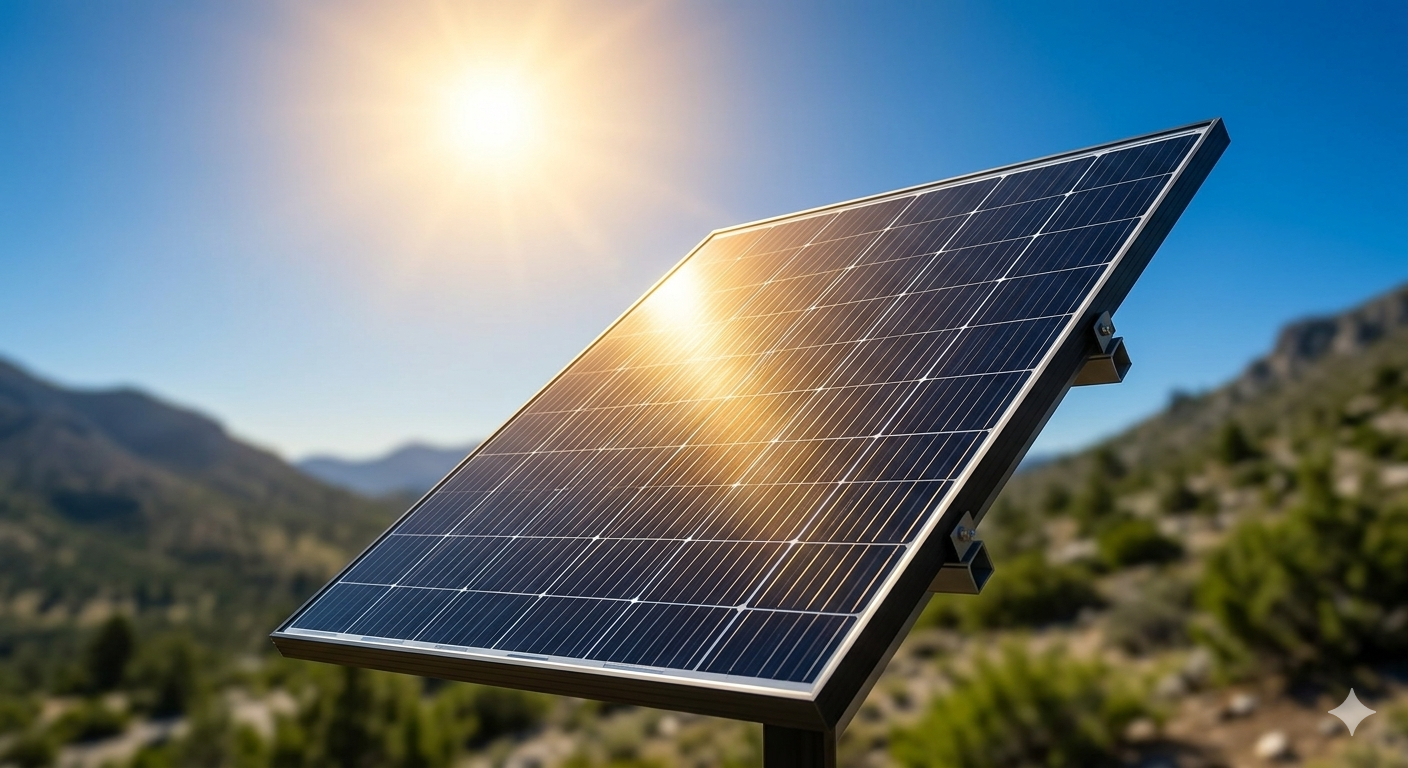
When configuring solar panels for the BP2000, installers must verify compatibility against the unit’s MPPT input parameters, typically accepting panels with a Voc (open-circuit voltage) up to approximately 60V and a maximum power voltage (Vmp) within the MPPT operating range.
Key parameters to evaluate per panel:
- Voc: Must remain below the charge controller’s absolute maximum input voltage under coldest expected conditions, since Voc rises as temperature drops
- Vmp: Should fall within the MPPT’s optimal tracking window (typically 16–55V for this class of unit)
- Isc (short-circuit current): Establishes the maximum current the panel can produce; must not exceed the controller’s rated input current
- Imp (maximum power current): The current delivered at peak efficiency — used to calculate actual harvest against controller limits
- Temperature coefficient of Pmax: Typically expressed as %/°C, this value indicates how much output power decreases per degree Celsius above 25°C STC. Most monocrystalline panels show coefficients between -0.35%/°C and -0.45%/°C — relevant for hot-climate deployments where real-world yield diverges meaningfully from STC ratings
A 400W panel array (two 200W panels in series) with a Voc of 24V each produces a combined Voc of 48V — within safe operating parameters for this system.
ROI Analysis
At $999 USD, the BP2000 delivers approximately $0.49 per Wh of storage — competitive within the 2kWh LiFePO4 portable segment. Assuming 3,000 usable cycles at 80% depth of discharge yields roughly 4,915 kWh of lifetime output, placing the levelized storage cost near $0.20/kWh before solar input costs. For users substituting generator fuel or managing grid outages, payback timelines typically fall between 3 and 5 years depending on usage frequency.
Pros and Cons
Pros
- LiFePO4 chemistry with verified long cycle life
- Expandable capacity via external battery modules
- 2000W continuous output handles most non-heating household loads
- Competitive levelized cost per kWh
Cons
- 30kg+ weight limits true portability for solo users
- 1200W solar input ceiling restricts fast recharge in low-sun conditions
- No integrated display of granular MPPT data for field diagnostics
- Expandable batteries add significant cost to total system investment
Related Reviews
Looking for more off-grid power solutions? Check out these technical deep-dives: