Technical Specifications
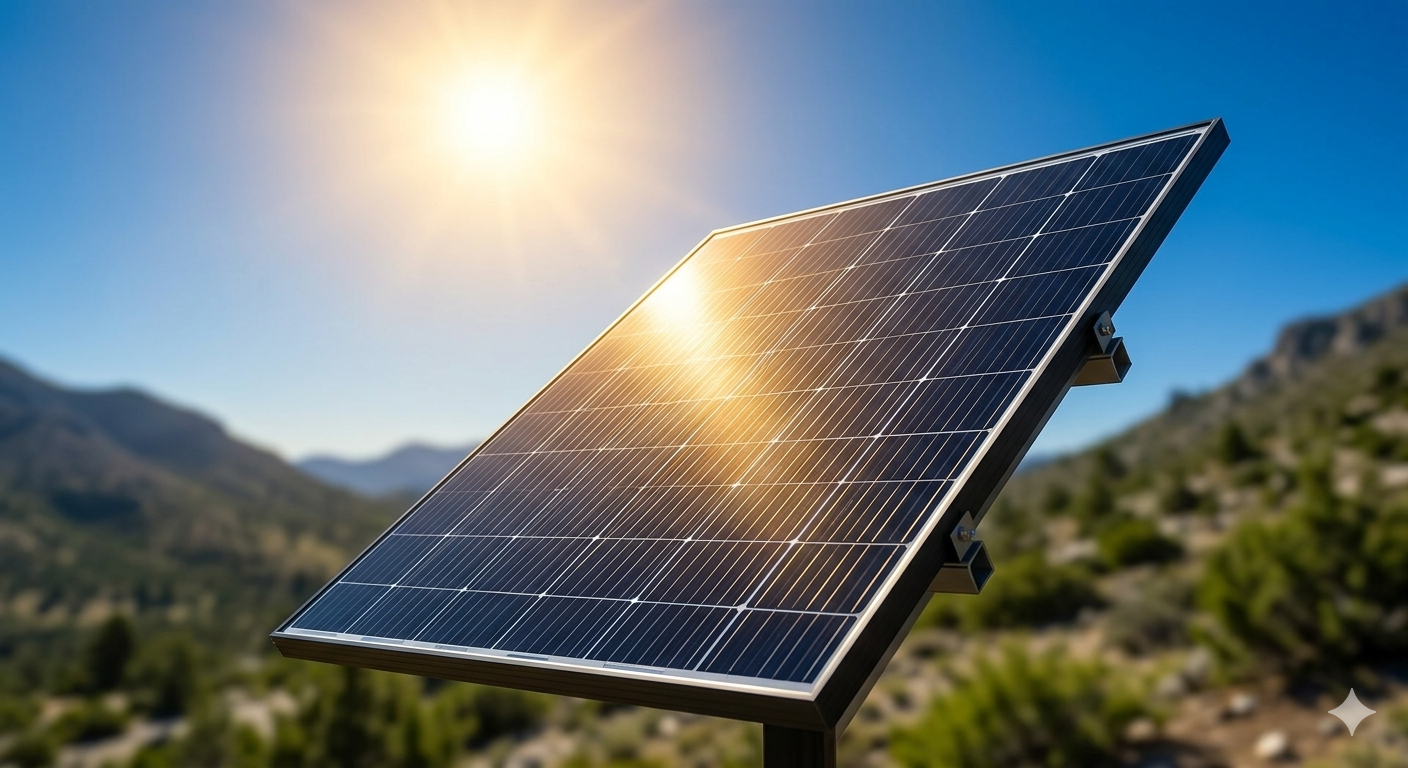
| Brand | Jackery |
| Model | SolarSaga 100W |
| Price | $249 |
| Peak Power | 100 W |
| Efficiency | 24% |
| Cell Type | Monocrystalline |
| Voc (Open-Circuit) | 24.2 V |
| Vmp (Operating) | 19.8 V |
| Isc (Short-Circuit) | 5.03 A |
| Imp (Operating) | 4.78 A |
| Temp. Coeff. Pmax | -0.35%/°C |
| Max System Voltage | 600 V |
| Dimensions | 2360x535x4mm |
| Weight | 4.7 kg |
Jackery SolarSaga 100W: Technical Review
Overview and Market Position
The Jackery SolarSaga 100W sits at a retail price of $249 USD, positioning it in the mid-to-premium tier of portable monocrystalline solar panels. It targets users who need a lightweight, foldable charging solution compatible with portable power stations, particularly Jackery’s own Explorer series. This review examines whether the electrical performance, build quality, and total value proposition justify that price point against competing panels in the same wattage class.
Electrical Specifications Analysis
Core Parameters
Understanding the SolarSaga 100W requires examining its fundamental electrical characteristics under Standard Test Conditions (STC).
- Voc (Open-Circuit Voltage): 24.2V — This is the maximum voltage the panel produces when no load is connected. It sets the upper boundary for charge controller and input port compatibility checks.
- Vmp (Optimum Operating Voltage): 19.8V — The voltage at which the panel delivers peak power output. This aligns well with the input requirements of most 12V and 24V compatible portable power stations.
- Isc (Short-Circuit Current): 5.03A — The maximum current under a short-circuit condition. This figure is used to size wiring and verify charge controller current ratings.
- Imp (Optimum Operating Current): 4.78A — The real-world operating current at peak power. At 19.8V × 4.78A, the panel reaches its rated 100W output under ideal conditions.
- Temperature Coefficient of Pmax: -0.35%/°C — For every degree Celsius above STC (25°C), maximum power output decreases by 0.35%. On a hot summer day at 45°C, expect approximately 7% power loss, reducing effective output to roughly 93W.
- Max System Voltage: 600V — Permits series chaining with other compatible panels, though practical portable use rarely approaches this ceiling.
The Voc-to-Vmp ratio of approximately 1.22 indicates a well-optimized cell design, minimizing resistive losses during real-world operation.
Real-World Performance and Off-Grid Use Cases
Portable Power Station Charging
The SolarSaga 100W is purpose-built for pairing with portable power stations. Its foldable design and integrated kickstand make it practical for van life, overlanding, and base camping. Under direct midday sun with minimal shading, users can realistically expect 70–85W of sustained output, accounting for MPPT efficiency losses, heat, and non-optimal panel angles.
Limitations in Partial Shade
Monocrystalline panels without bypass diodes on every cell string suffer disproportionate power drops under partial shading. The SolarSaga 100W includes bypass diodes, which mitigates but does not eliminate this vulnerability. Users operating in canopy-heavy environments should factor in potential output reductions of 30–50% during partial shading events.
ROI Analysis
At $249 for 100W, the cost-per-watt sits at $2.49/W. Budget portable panels from lesser-known brands can reach $1.00–$1.50/W, making Jackery’s pricing a premium. However, build quality, ETFE surface coating, IP67-rated connectors, and brand reliability reduce long-term replacement risk. For users who camp 30–40 weekends annually and save approximately $15–$20 in generator fuel per trip, the panel can offset its cost within two to three seasons of consistent use.
Pros and Cons
Pros
- Durable ETFE lamination improves longevity over standard PET panels
- Competitive temperature coefficient at -0.35%/°C for a portable unit
- Foldable, lightweight form factor suitable for backpack-adjacent setups
- Broad 600V max system voltage enables series configurations
Cons
- $2.49/W price point is above market average for equivalent wattage
- STC-rated 100W realistically delivers 70–85W in typical field conditions
- Proprietary cable design limits universal compatibility without adapters
- No integrated ammeter or output monitoring
Final Assessment
The SolarSaga 100W delivers reliable, predictable performance within its design parameters. Its electrical specifications are honest and its temperature derating is competitive. The premium pricing is defensible for users prioritizing build quality and ecosystem compatibility, but budget-conscious buyers should evaluate alternatives before committing.
Related Reviews
Looking for more off-grid power solutions? Check out these technical deep-dives: