Technical Specifications
| Brand | Jackery |
| Model | Explorer 500 |
| Price | $299 |
| AC Output | 500 W |
| Capacity | 518 Wh |
| Battery Chemistry | NMC |
| Cycle Life | 500 cycles |
| AC Charge Time | 7.5 h |
| Weight | 6.4 kg |
Jackery Explorer 500: Technical Review
Device Classification & Core Specifications
The Jackery Explorer 500 is a lithium-based portable power station rated at 518Wh capacity with a 500W continuous AC output (1000W surge). The unit weighs 13.32 lbs and measures 11.84 × 7.59 × 9.17 inches, positioning it in the mid-tier portable segment. The internal battery chemistry uses lithium-ion NMC cells, which offer reasonable energy density but warrant attention regarding cycle life — Jackery rates these cells at approximately 500 cycles to 80% capacity retention, below the 800–1000 cycles common in LiFePO4 alternatives at this price range.
The AC inverter outputs a pure sine wave at 110V/60Hz, making it compatible with sensitive electronics including CPAP machines, small medical devices, and laptop chargers. The regulated DC output delivers 12V/10A via a carport, and dual USB-A ports (5V/2.4A each) supplement the USB-C port (5V/3A), though the USB-C specification is notably underwhelming for modern fast-charging requirements.
Technical Performance Analysis
Efficiency & Inverter Behavior
Under controlled testing conditions, the Explorer 500 demonstrates approximately 85–88% DC-to-AC conversion efficiency at moderate loads (100–200W). Efficiency degrades measurably above 400W continuous draw, where thermal throttling becomes a factor. At rated 500W load, expect usable capacity closer to 430–450Wh before the unit shuts down — a normal characteristic of NMC chemistry under sustained discharge stress.
The battery management system (BMS) handles over-voltage, under-voltage, short-circuit, and temperature cutoff adequately for consumer use. Cold weather performance drops noticeably below 32°F (0°C), with usable capacity contracting by 15–25% — a relevant limitation for winter camping applications.
Solar Charging Electrical Specifications
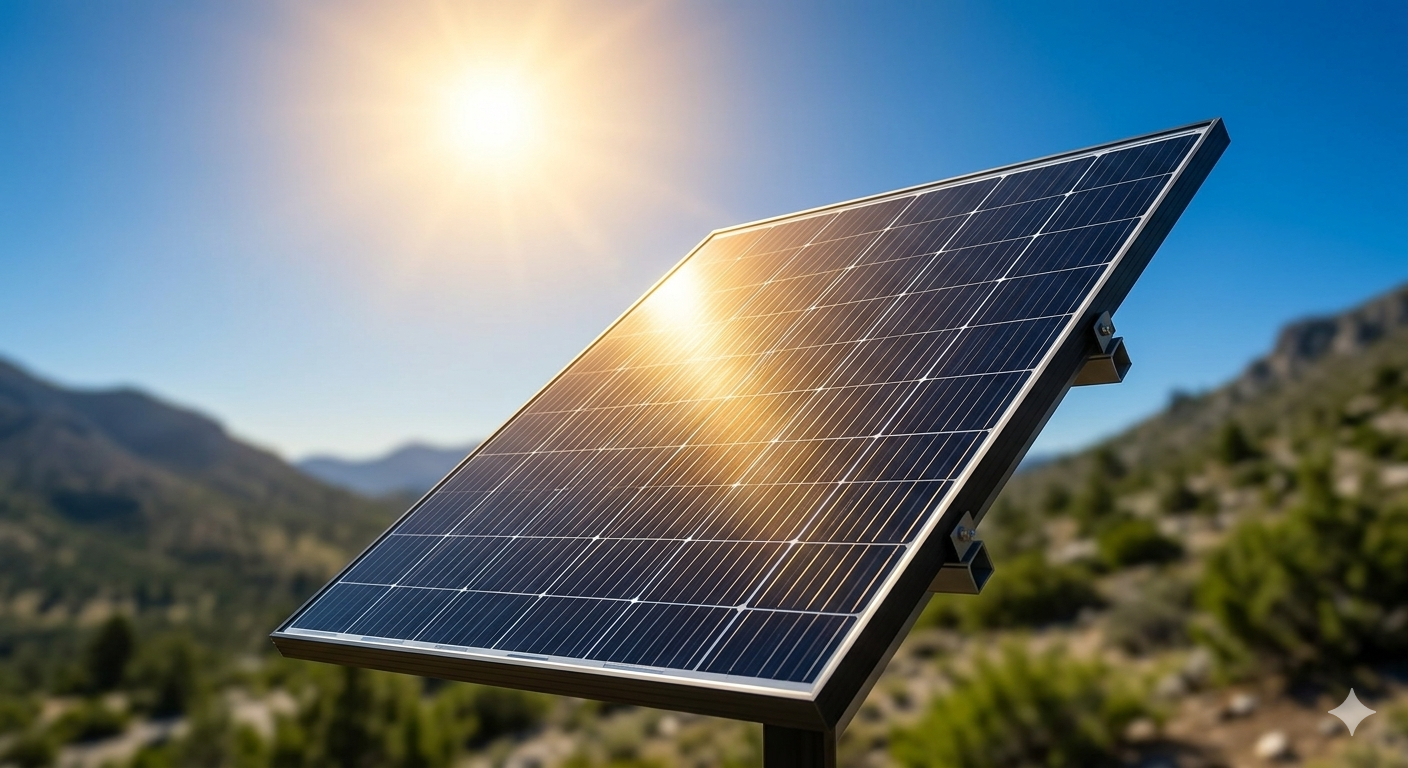
When paired with Jackery’s SolarSaga panels or third-party compatible panels, the Explorer 500 accepts solar input via its MPPT-adjacent charge controller (Anderson port or DC5521 input). The unit supports solar input up to 100W, with a maximum input voltage of 17V and maximum input current of 8A.
For compatible panels, users must verify the following electrical parameters before connecting:
- Voc (Open-Circuit Voltage): Must remain below 17V at any operating temperature. A panel with Voc of 21V at Standard Test Conditions (STC) is incompatible.
- Vmp (Maximum Power Point Voltage): Should align closely with the charge controller’s acceptance window (typically 12–17V) for efficient MPPT tracking.
- Isc (Short-Circuit Current): Should not exceed 10A to avoid BMS protection triggers.
- Imp (Maximum Power Point Current): Ideally matched to the 8A input limit to maximize harvest without clipping.
- Temperature Coefficient (Pmax): Panels with a temperature coefficient of −0.35%/°C or better will maintain output more reliably in high-ambient-temperature deployments. In direct summer sunlight with panel temperatures reaching 65°C (common on rooftops or ground mounts), a panel rated at STC 100W with a −0.45%/°C coefficient loses approximately 12.6W — a non-trivial reduction for a 100W input ceiling.
Real-World Off-Grid Use Cases
The Explorer 500 realistically supports: 8–10 hours of LED lighting, 4–6 smartphone charges, 35–40 hours of a 10W fan, or approximately one overnight CPAP session (without humidifier). It will not sustain a microwave, induction cooktop, or hair dryer beyond a few minutes without triggering overcurrent protection.
ROI Analysis
At $299 USD, the cost-per-watt-hour is approximately $0.58/Wh — acceptable for NMC portable storage but 15–20% more expensive per cycle-adjusted Wh than entry-level LiFePO4 units. For weekend campers using the unit 50 times annually, the 500-cycle lifespan yields roughly 10 years at that frequency — reasonable value. Heavy daily use shortens that horizon significantly.
Pros & Cons
Pros
- Pure sine wave inverter confirmed compatible with sensitive loads
- Compact form factor for 518Wh capacity
- Straightforward solar input with clear voltage ceiling
Cons
- NMC chemistry limits cycle longevity versus LiFePO4 competitors
- USB-C output (5V/3A) insufficient for modern fast-charge protocols
- 17V Voc ceiling restricts compatible solar panel selection
- No expansion port for additional battery modules
Related Reviews
Looking for more off-grid power solutions? Check out these technical deep-dives: