Technical Specifications
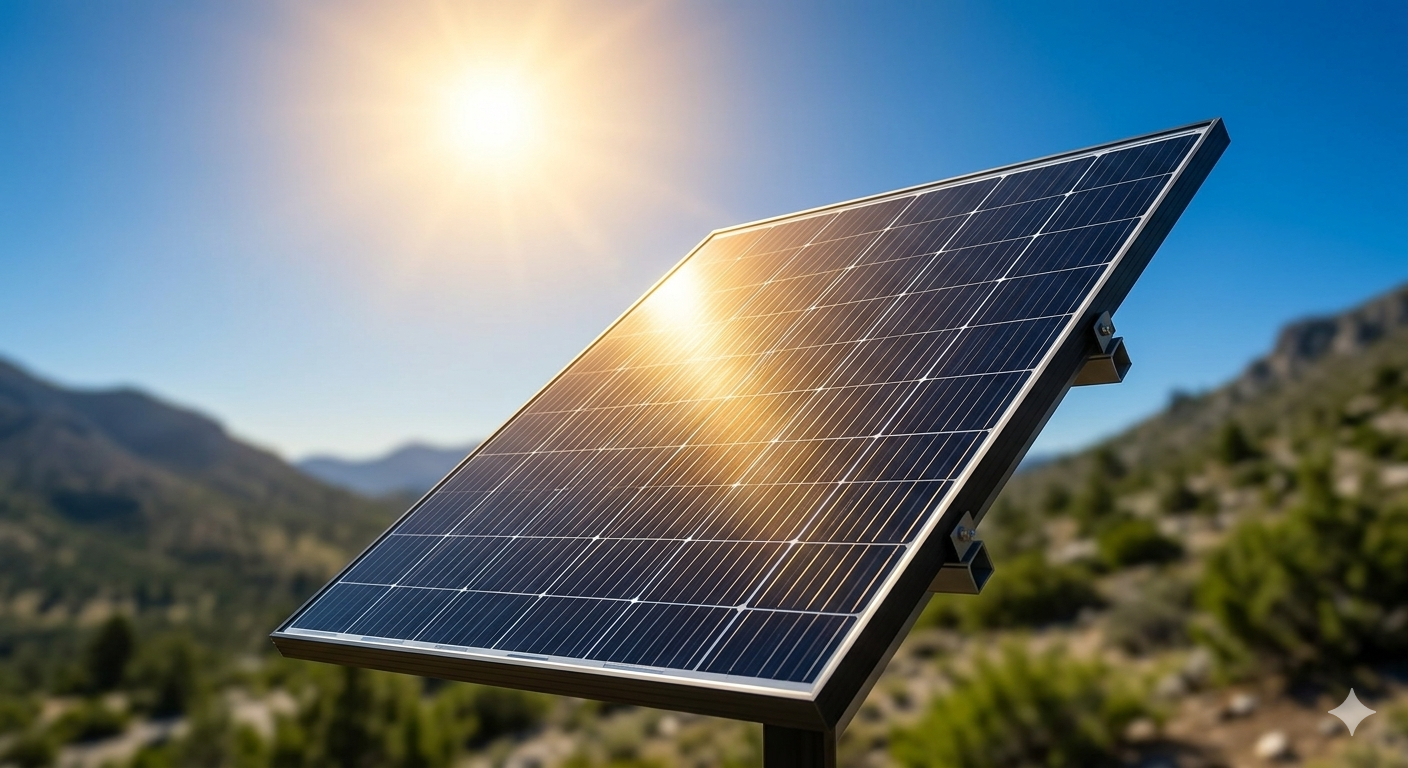
| Brand | Jackery |
| Model | Explorer 2000 Plus |
| Price | $1499 |
| AC Output | 3000 W |
| Capacity | 2042 Wh |
| Battery Chemistry | LFP |
| Cycle Life | 4000 cycles |
| AC Charge Time | 2.0 h |
| Weight | 28.1 kg |
Jackery Explorer 2000 Plus: Technical Review
Core Electrical Architecture
The Jackery Explorer 2000 Plus operates on a lithium iron phosphate (LiFePO4) cell chemistry, delivering a usable capacity of 2,042Wh at a nominal voltage of 48V DC internal bus. The inverter stage outputs a continuous 3,000W of AC power with a peak surge capacity of 6,000W, accommodating motor-start loads such as compressors and power tools. Total harmonic distortion (THD) is rated below 3%, placing it within acceptable range for sensitive electronics including variable-frequency drives and medical equipment.
Charge controller input accepts up to 2,400W of solar through a maximum 58V open-circuit ceiling on the DC input port, utilizing MPPT topology for harvest efficiency typically between 93–97% under real operating conditions. The unit weighs 27.5 kg, which is functionally portable with the integrated handle but realistically a two-person lift for repeated repositioning.
Solar Panel Electrical Specifications
When pairing the Explorer 2000 Plus with Jackery’s SolarSaga panels or compatible third-party modules, four key parameters govern system compatibility and actual harvest yield.
Voc (Open-Circuit Voltage): The maximum voltage a panel produces with no load connected. The Explorer 2000 Plus enforces a hard ceiling of 58V Voc across its solar input. Exceeding this threshold risks charge controller damage. A single 200W SolarSaga panel carries a Voc of approximately 24.3V, making series pairing of two panels (combined ~48.6V Voc) technically viable but with minimal safety margin.
Vmp (Voltage at Maximum Power): The operating voltage at peak power delivery, typically 80–88% of Voc. For the SolarSaga 200W, Vmp sits near 20.4V. MPPT efficiency is maximized when Vmp aligns closely with the battery bank’s absorption voltage window, approximately 54–56V during bulk charge.
Isc (Short-Circuit Current): The maximum current output under a direct short, serving as the upper bound for fuse and wiring selection. The SolarSaga 200W lists an Isc of approximately 10.6A. Parallel configurations multiply Isc proportionally, requiring appropriately rated MC4 connectors and combiner fusing.
Imp (Current at Maximum Power): The actual operating current during peak output, typically 9.7–10.2A for a 200W panel. Imp determines real-world charge rates and must be matched against the MPPT controller’s maximum input current rating.
Temperature Coefficient (Pmax): Rated at approximately -0.35%/°C for most SolarSaga modules, meaning output degrades measurably above the Standard Test Condition baseline of 25°C. In high-ambient desert deployments exceeding 45°C cell temperature, expect a 7–10% reduction in rated wattage with no mitigating airflow.
Real-World Off-Grid Performance
Moderate Load Scenarios
Running a 12V compressor fridge (45W average), LED lighting (30W), laptop charging (65W), and CPAP machine (30W overnight) draws roughly 170Wh per hour. The 2,042Wh capacity yields approximately 10–11 hours of runtime before reaching the recommended 20% depth-of-discharge floor, practically covering a 24-hour cabin cycle with 4–5 hours of solar recharge supplementing draws.
High-Demand Applications
At full 3,000W continuous output—power tools, induction cooktops—runtime compresses to under 40 minutes. This unit is not suited as a primary power source for high-draw sustained loads; it functions best in duty-cycle applications.
ROI Analysis
At $1,499, the cost-per-watt-hour sits at approximately $0.73/Wh, competitive within the premium LiFePO4 portable segment. Jackery rates the LiFePO4 cells at 4,000 cycles to 70% capacity—roughly 11 years at daily partial cycling. Assuming displacement of $0.15/kWh grid electricity, the unit requires approximately 10,000 kWh of displaced consumption to break even, achievable in 5–7 years under consistent use.
Pros and Cons
Pros
- LiFePO4 chemistry with legitimate long cycle life
- 3,000W continuous output covers most residential loads
- Expandable capacity via add-on battery packs
Cons
- 58V Voc input ceiling limits panel series configuration flexibility
- No integrated display of MPPT efficiency metrics
- Weight limits true single-person portability
Related Reviews
Looking for more off-grid power solutions? Check out these technical deep-dives: